Pekiti-Tirsia Kali
WELCOME TO THE MOST PREFERRED, INSPIRING, MARTIAL ARTS PROGRAM IN NORTH JERSEY.
Blue Life Karate & Kickboxing Center
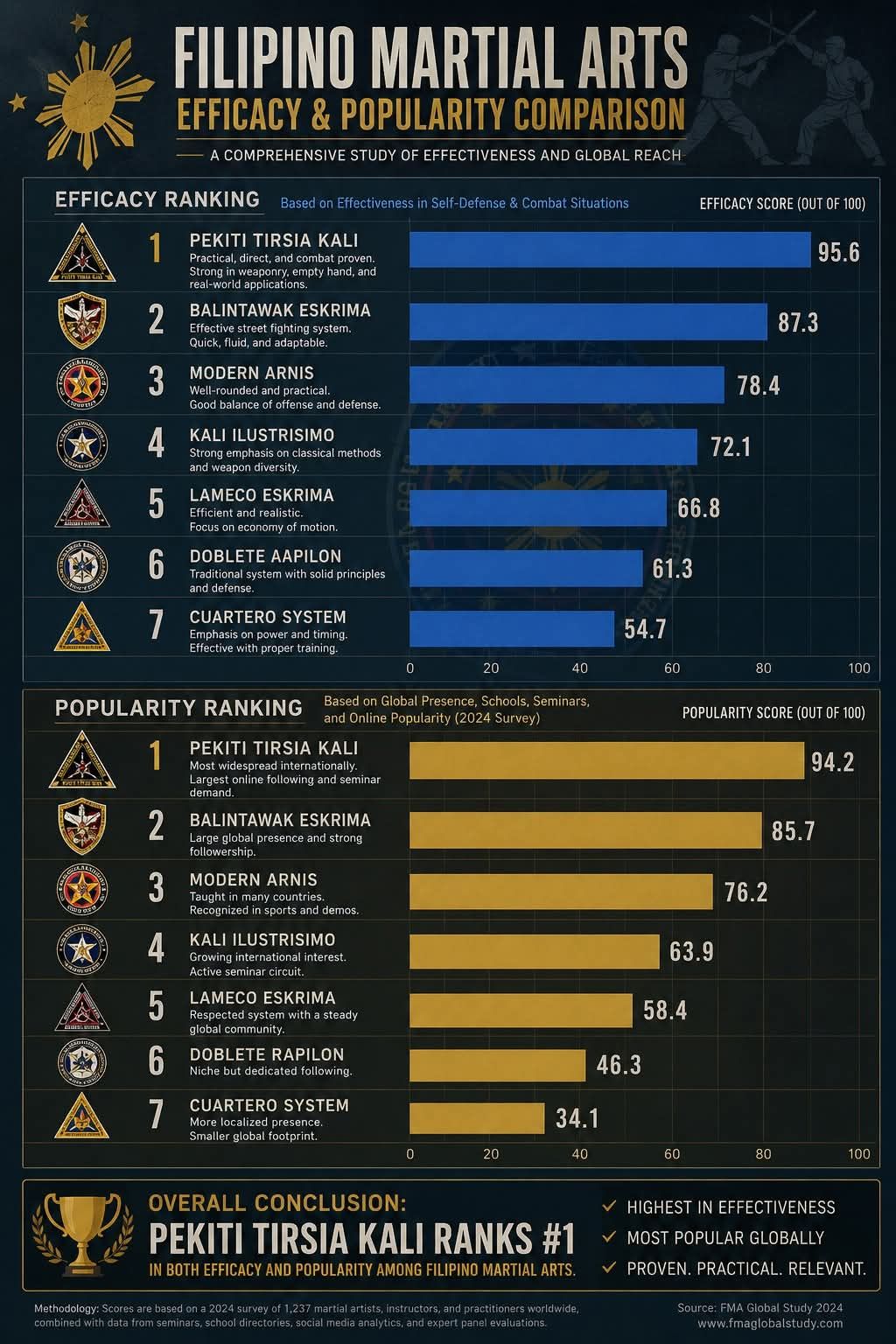
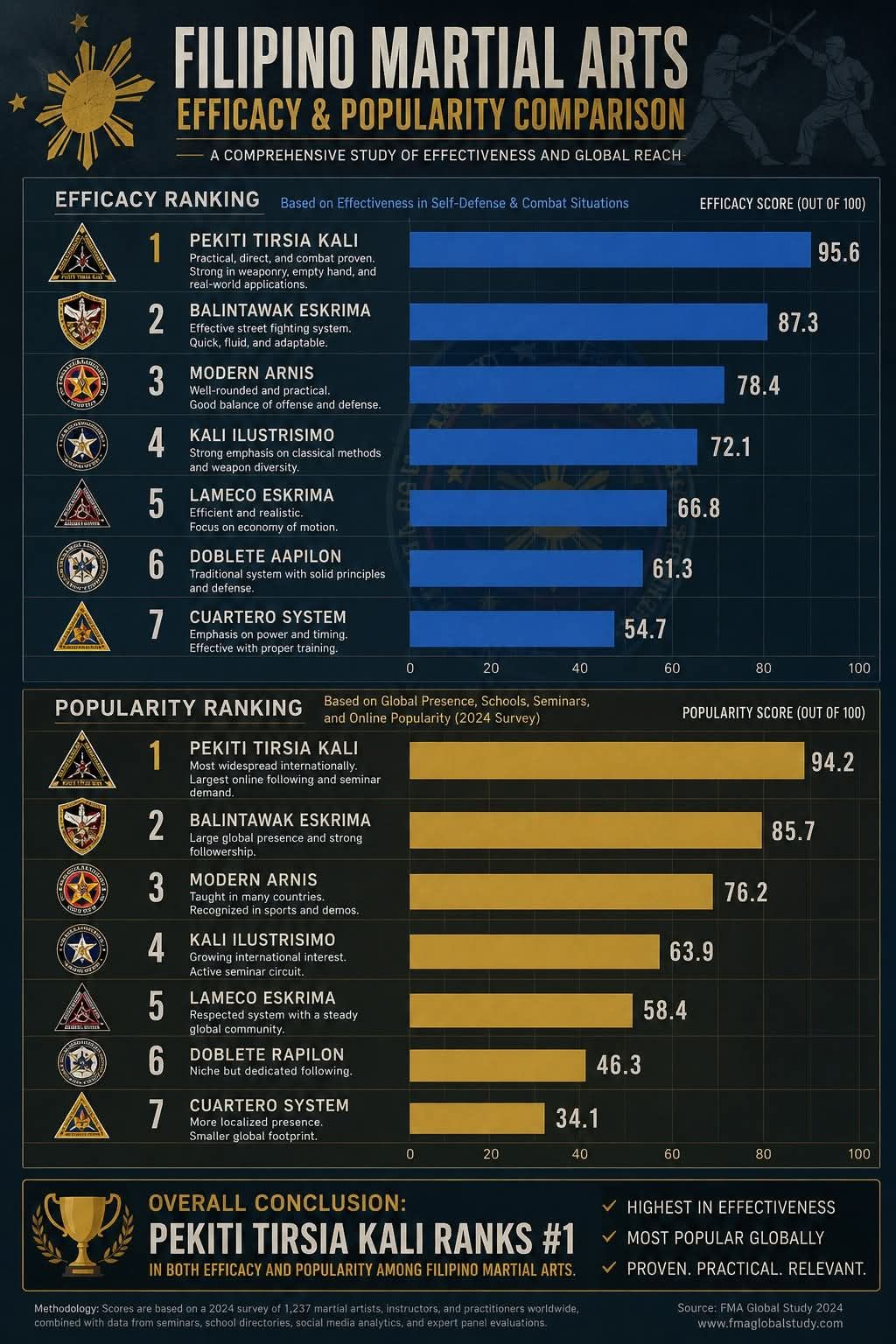
These are my feelings regarding the chart ranking various Filipino Martial Arts systems based on “effectiveness” and “popularity.” While I understand the intention behind such comparisons, I feel compelled to respectfully offer another perspective based on my lifetime of martial arts experience, training, research, and personal interaction with practitioners and teachers from different systems.
First, let me say this clearly:
I have tremendous respect for Pekiti-Tirsia Kali and for the incredible work of Grand Tuhon Leo T. Gaje Jr.
There is no question that Grand Tuhon Leo Gaje had a vision far ahead of his time. Through decades of dedication, seminars, military exposure, law enforcement training, and international outreach, he successfully helped spread Pekiti-Tirsia Kali across the world. Because of his efforts, many people who otherwise would never have been exposed to Filipino Martial Arts were introduced to the beauty, effectiveness, and realism of the Filipino warrior traditions.
For that alone, his legacy deserves recognition and respect.
However, where I respectfully disagree with this chart is in the implication that one Filipino martial art system stands above all others as definitively “more effective.”
From my experience, I do not believe that Filipino Martial Arts can honestly or accurately be measured in that way.
The truth is that the Filipino Martial Arts were never built around one single system or one single family. The survival of the Filipino people through centuries of conflict was accomplished collectively through many warrior traditions, many tribal systems, many regional methods, and many families of fighters who all contributed to the protection of their culture and people.
The resistance against the Spanish occupation did not come from one system.
The resistance during the Japanese occupation did not come from one system.
The survival of the Filipino people came from generations of warriors throughout the islands who adapted, evolved, and fought using the methods available to them in their particular regions and circumstances.
Every major Filipino martial system contributed something valuable.
Balintawak brought incredible close-range reflexes and adaptability.
Modern Arnis helped preserve and organize Filipino Martial Arts for future generations worldwide.
Kali Ilustrisimo became respected for its blade precision and old-world combat realism.
Lameco Eskrima emphasized range transitions, economy of motion, and practical application.
Doblete Rapilon, Cuartero, and many other lesser-publicized systems all carried pieces of the Filipino warrior heritage.
Each system developed according to the needs, experiences, environments, and realities of the people who practiced them.
What many people fail to understand today is that the older Filipino masters themselves often respected one another even when they had different approaches. Many cross-trained, exchanged ideas, tested concepts, and adapted constantly. The goal was survival and effectiveness — not internet rankings, politics, or branding wars.
As someone who has spent decades training not only in Filipino Martial Arts, but also in Karate, Ninjutsu, Silat, boxing, kickboxing, and multiple systems of self-defense, I have come to understand something very important:
Styles do not fight.
People fight.
The effectiveness of any martial art ultimately depends on:
- the practitioner,
- the teacher,
- the realism of the training,
- timing,
- mindset,
- adaptability,
- pressure testing,
- and the willingness to evolve.
A highly trained practitioner in one system may overcome a poorly trained practitioner from another system regardless of style.
This is why I personally do not believe in downgrading or minimizing other Filipino systems in order to elevate one above the rest.
Yes, Pekiti-Tirsia Kali has become one of the most recognized systems internationally, and deservedly so because of Grand Tuhon Leo Gaje’s work and dedication.
But popularity should not erase the contributions of the many other systems and masters who also carried the Filipino warrior traditions through generations of hardship, war, and cultural struggle.
To me, Filipino Martial Arts are not about proving superiority over one another.
They are about preserving a warrior culture built on survival, adaptability, honor, family lineage, and practical combat understanding.
Every authentic Filipino martial art carries a piece of that history.
And every sincere practitioner who trains honestly contributes to keeping that legacy alive.
Respectfully,
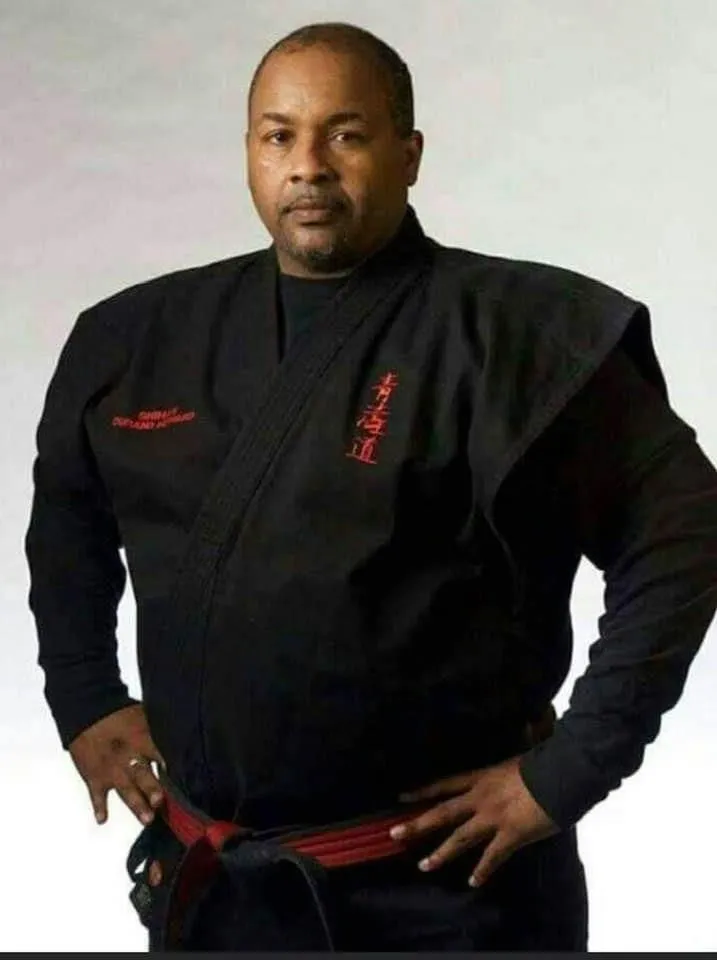
Tuhon Durand Howard
Practitioner and Instructor of:
- Pekiti-Tirsia Kali
- Dekiti-Tirsia Siradas
- Vee Arnis Jitsu
- Harimau Silat
- Cimande Silat
- Kuntao Silat
- Blue Life Budo Ninjutsu System
- Blue Life Karate System
Combat Kali Silat NJ
Master Shihan/Tuhon Durand Howard - 10th Degree Black Belt.
Address: 1882 Springfield Ave Maplewood
Phone: 908-967-8132
Email:[email protected]